Recycling and Sustainability at Gardening Kings Cross
 At Gardening Kings Cross we are dedicated to creating an eco-friendly waste disposal area and a thriving sustainable rubbish gardening area that supports urban green space and reduces landfill. Our approach blends practical on-site systems with local partnerships to ensure that green waste, compostables and reusable materials are handled responsibly. We recognise that an effective eco waste disposal area must be visible, simple to use and aligned with wider borough recycling norms so residents and contractors can participate with confidence.
Our site operates in close alignment with local boroughs' approach to waste separation, including separate collections for food waste, garden waste and dry recycling where applicable. Camden and neighbouring boroughs encourage household and business separation — a practice Gardening Kings Cross mirrors on a micro scale by keeping plant pots, soil, pruning materials and packaging segregated. Clear signage and well-labelled bins make it easy for teams to sort materials at source, reducing contamination and improving recycling yields.
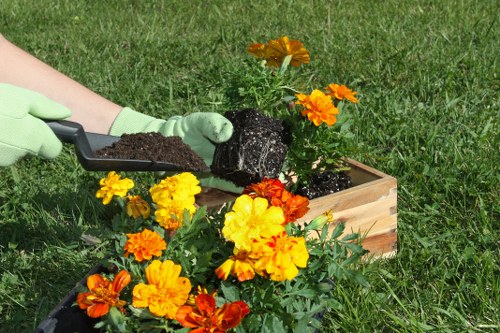 We have set an ambitious recycling percentage target: to achieve a 70% recycling and reuse rate for all site-generated waste within two years, moving towards 80% within five years. This target covers composting of green waste, reuse of pots and reclaimed timber, and diversion of packaging to municipal MRFs. Targets are reviewed quarterly and form part of our environmental action plan. Increasing our recycling percentage is central to creating a truly sustainable garden waste area and measurable low-carbon operations.
Local Transfer Stations and Responsible Logistics
Gardening Kings Cross uses licensed local transfer options and works with permitted Materials Recycling Facilities to ensure that separated streams are processed correctly. Rather than sending mixed loads to skip sites, we prioritise direct transfer of segregated organic material to composting facilities and recyclables to local MRFs. We also coordinate with borough-level transfer stations where necessary to maintain traceability of waste. This reduces double handling and lowers the carbon footprint compared with ad-hoc disposal.

Partnerships with Charities and Reuse Networks
We actively partner with local charities and social enterprises to give surplus plants, pots and usable soil a second life. Donations go to community gardens, horticultural training projects and reuse networks rather than becoming waste. These partnerships are integral to our sustainable rubbish gardening area strategy: they increase reuse rates, support local causes, and extend the lifecycle of materials that would otherwise be disposed of. Strong community links help us scale reuse, turning potential waste into shared value.Logistics are designed around low-carbon vans and efficient routing. Our fleet transition prioritises electric vehicles and low-emission hybrids for daily collections and deliveries, while larger transfers use certified low-emission transport partners. Route optimisation, load consolidation and scheduled pick-ups from our eco-friendly waste disposal area reduce mileage and emissions. By combining low-carbon vans with smarter scheduling we aim to shrink the operational carbon footprint of garden waste management.
On-site composting and mulching are core elements of our circular approach. We process garden cuttings, leaves and woodchip into mulch and compost that feeds beds on-site and supports local projects. This closed-loop practice lessens the need for external compost purchases and limits waste movement across the city. We implement temperature monitoring and good practice to ensure high-quality outputs and to prevent odour or pest issues — providing a practical model for a sustainable gardening waste area in urban settings.
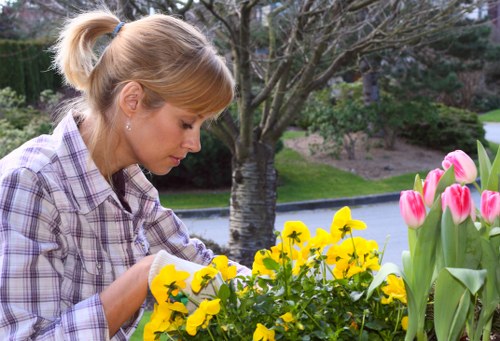 Key elements of our eco-friendly waste disposal area include clear separation zones, secure storage for reusable pots and pallets, and a visible set of targets and procedures. Our operating commitments include:
- Recycling target: 70% within two years, 80% in five years.
- Transfer routes: use of licensed borough transfer stations and MRFs for sorted streams.
- Charity partners: donation pipelines for reusable pots, soil and plants.
- Low-carbon transport: transition to electric and low-emission vans for collection.
 In conclusion, Gardening Kings Cross combines thoughtful site design, measurable targets and community partnerships to deliver an effective sustainable rubbish gardening area and eco waste disposal area. We balance operational practicality with environmental ambition by prioritising reuse, composting and low-carbon logistics, and by reporting our recycling percentage progress. Our ongoing commitment is to refine systems, strengthen partnerships and expand reuse opportunities so Kings Cross benefits from greener, cleaner and more resilient urban gardening.