Kings Cross gardeners Coal Drops Yard courtyard care tips
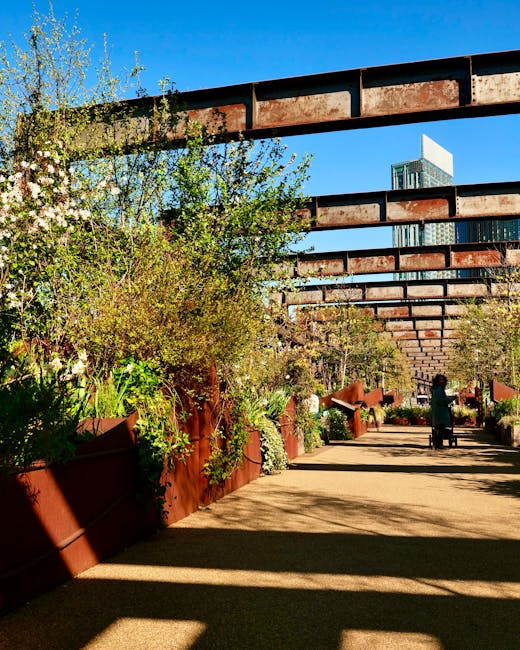
If you manage, own, or simply care about a courtyard near Coal Drops Yard, you'll know it's a different kind of garden space. Tight paving, reflected heat, shared access, patchy light, wind tunnels between buildings - it all adds up. That's why Kings Cross gardeners Coal Drops Yard courtyard care tips need to be practical, site-aware, and a bit more thoughtful than standard garden advice. A courtyard in this part of London can look polished one week and tired the next if the planting, cleaning, and maintenance rhythm is off.
This guide walks through what matters most, how courtyard care actually works in real life, and the small decisions that make a big difference. We'll cover planting, watering, pruning, seasonal routines, safety, and the little fixes that stop minor issues becoming a nuisance. Let's face it, courtyards can be unforgiving. But with the right approach, they can also be beautifully calm, tidy, and surprisingly resilient.
- Why this kind of courtyard care matters
- How the maintenance process works
- Key benefits and practical advantages
- Who needs this service and when it makes sense
- Step-by-step guidance
- Expert tips for better results
- Common mistakes to avoid
- Tools, resources and recommendations
- Law, compliance, standards and best practice
- Options, methods or comparison table
- Case study or real-world example
- Practical checklist
- Conclusion
- Frequently asked questions
Why Kings Cross gardeners Coal Drops Yard courtyard care tips Matters
Coal Drops Yard sits in a part of London where outdoor space often has to work harder than a typical suburban garden. Courtyards here are usually smaller, more exposed to foot traffic, and more visible to visitors, tenants, customers, or residents. That means details count. A few leaves in the wrong place, a thirsty container, or a clogged drainage channel can change the whole feel of the space.
Good courtyard care is not just about making things look neat. It protects the hard landscaping, keeps plants healthy in awkward microclimates, and makes the space more usable day to day. In practical terms, that can mean less slippery paving, fewer plant losses, fewer complaints about mess, and a space that feels looked after rather than neglected. Not glamorous, perhaps, but absolutely worthwhile.
There is also the simple reality that courtyards around Kings Cross are often shared spaces. That brings different expectations. One person wants a tidy, low-fragrance scheme; another wants seasonal colour; a building manager wants minimal disruption; and everyone wants the place to feel smart. Balancing those needs is where experienced gardeners earn their keep.
Expert summary: In compact urban courtyards, the best results come from routine, not rescue work. Small, regular interventions usually outperform dramatic one-off fixes.
How Kings Cross gardeners Coal Drops Yard courtyard care tips Works
Courtyard care works best when it is treated as a system rather than a quick tidy-up. The surface, the planting, the drainage, the access, and the seasonal timing all influence one another. A successful maintenance plan usually starts with a short site review: what gets the most sun, where water sits after rain, which areas collect litter, and which plants are struggling because of wind or shade.
From there, the work usually settles into a repeating cycle. Some tasks are weekly, such as litter removal, light weeding, checking containers, and keeping entrances presentable. Others are monthly or seasonal, such as feeding, pruning, refreshing mulch, or replacing tired planting. If the space includes trees, hedging, or decked areas, those parts need their own care rhythm too. For larger or more complex sites, a broader service like garden maintenance can help keep everything coordinated rather than piecemeal.
To be fair, the work can sound straightforward on paper. In real life, courtyard maintenance is often about judgement. Should a plant be cut back now, or left until after flowering? Is the issue a watering problem, or root stress from a too-small container? Does that mossy corner need cleaning, or better airflow? These are the kind of calls that make the difference between a space that survives and one that quietly thrives.
There is usually also a material side to the work: clearing debris, checking pots for stability, sweeping drains, disposing of green waste responsibly, and protecting adjacent surfaces from staining or damage. If a courtyard has accumulated clutter, broken planters, or overgrown sections, a targeted garden clearance may be the best first step before routine care begins.
Key Benefits and Practical Advantages
Courtyard care delivers more than a neat first impression. Done well, it supports the long-term usability of the space and reduces avoidable problems. Here are the main benefits people notice first.
- Better appearance: Clean paving, healthy planting, and tidy edges instantly improve the feel of the space.
- Healthier plants: Regular attention helps catch water stress, pests, and nutrient issues before they spread.
- Lower slip and trip risk: Moss, leaf build-up, and loose debris are easier to manage when handled routinely.
- More reliable seasonal performance: Plants can be chosen and maintained for the real conditions of the courtyard, not an idealised plan on paper.
- Less disruptive maintenance: Small jobs done regularly are easier to schedule around residents, businesses, or visitors.
- Better use of compact space: In small courtyards, every square metre matters. A little structure goes a long way.
There's also a softer benefit that often gets overlooked: people simply enjoy the space more when it feels cared for. You notice it in the way someone pauses outside a doorway, or how a quiet seating area becomes somewhere people actually want to linger. That is no small thing in a busy place like Kings Cross.
Who This Is For and When It Makes Sense
These courtyard care tips are useful for building managers, landlords, business owners, letting agents, residential blocks, hospitality venues, and private residents who want the outdoor area to stay in decent shape without constant firefighting. They are especially relevant where the courtyard is visible from shared entrances, commercial frontages, or high-footfall routes.
You may need a more structured service if any of the following sound familiar:
- the space gets messy quickly after rain or windy weather
- planters dry out fast in summer, then become waterlogged in winter
- moss or algae keeps returning on paving
- plants look patchy because of shade, reflected heat, or draughts
- the courtyard is used by the public or by lots of different occupants
- you want the space to look good without staff spending ages on it
It also makes sense to bring in experienced help if the site has awkward access, delicate surfaces, integrated lighting, or expensive planting. A courtyard around Coal Drops Yard can be visually striking, but that often means the margin for error is small. One overzealous clean on the wrong surface and you've created a new problem. Nobody wants that. Not on a Monday morning, anyway.
Step-by-Step Guidance
If you want a courtyard that stays attractive and manageable, it helps to follow a proper sequence. The order matters more than people think.
1. Assess the site properly
Start by looking at sunlight, shade, wind, drainage, and usage patterns. Identify where water gathers, where people walk most, and which corners are easiest to neglect. A quick walk-through after rain can tell you a lot. You'll often spot the real problem in ten minutes that wasn't obvious in dry weather.
2. Clear debris and reset the space
Remove leaves, litter, dead plant material, broken twigs, and anything blocking drains or corners. This is the point where a courtyard starts to breathe again. If the area has become cluttered with old pots or general waste, a tidy clearance may be needed before any finer maintenance can happen.
3. Check the planting against the conditions
Choose plants that suit the site rather than forcing the site to suit the plants. For a shaded, enclosed courtyard, that means accepting lower light levels and humidity changes. For sunny, sheltered spots, it means watching for heat stress and fast drying. Container plants may need more frequent watering than ground planting, and the difference can be dramatic in summer.
4. Improve soil or growing medium
Courtyards often rely on planters and raised beds, so the quality of the compost or soil mix really matters. Top up what has settled, refresh tired material, and check drainage holes. In cramped containers, roots can become compacted surprisingly quickly. A little attention here saves a lot of regret later.
5. Water with a schedule, not guesswork
Watering should respond to weather, container size, and plant type. In hot spells, small containers may need daily checks. In cooler, shaded spots, overwatering can be just as damaging as dry soil. Touch the compost. Look at the plant. Use your judgement. It is not a glamorous skill, but it works.
6. Prune, deadhead, and shape carefully
Light pruning keeps the space tidy and helps plants stay healthy. Deadheading encourages repeat flowering in many plants, while selective pruning improves shape and airflow. In a courtyard, the trick is restraint. A heavy-handed cut can make the space feel bare, especially when the planting is supposed to soften hard edges.
7. Maintain the hard landscape too
Courtyard care is not only about plants. Sweep paving, remove moss where appropriate, wash surfaces carefully, and inspect edging, grates, and joints. If the area includes timber features or platforms, a service such as decking services may be relevant for keeping surfaces safe and presentable.
8. Review seasonally
What works in spring will not always work in late summer or midwinter. Seasonal review means checking whether plant selection, irrigation, and maintenance frequency still suit the site. In a city setting, the weather can feel like four seasons in one week, so flexibility helps more than perfect planning.
Expert Tips for Better Results
Here are the practical details that often separate an okay courtyard from one that feels properly cared for.
- Use mixed planting heights: Layer low, medium, and taller forms so the courtyard feels full without becoming crowded.
- Prioritise structure: Evergreens, ornamental grasses, and reliable shrubs keep a space looking composed even when seasonal flowers fade.
- Keep a watering buffer: In summer, a missed day can matter. Self-watering systems or water-retentive compost can help in containers.
- Choose low-mess plants where possible: Some species drop a lot of seed, fruit, or petals. Beautiful, yes. Practical? Not always.
- Don't ignore edges: Borders, pot rims, and junctions between paving and planting are where a courtyard starts to look untidy.
- Plan for access: If maintenance is awkward, keep the design simple enough that it can actually be maintained without a circus act.
A useful rule of thumb: if the space looks good only immediately after a tidy-up, the maintenance plan is too fragile. If it still looks composed a week later, you're on the right track.
For sites that need a stronger visual reset, some owners combine planting care with broader layout improvements. In those cases, landscape gardening or landscaping can help reshape the courtyard so maintenance becomes easier, not harder.
Common Mistakes to Avoid
Small courtyards invite small mistakes that become big annoyances. The good news is that most of them are avoidable.
Overwatering containers
This is one of the most common issues. Containers in shaded courtyards may hold moisture for longer than expected, so watering by habit rather than checking the compost can lead to root problems.
Using plants that are too demanding
Beautiful plants are not always practical plants. If the site is windy, hot, or shaded, choose varieties that suit those realities. Otherwise you spend all your time propping, replacing, and apologising to the planting scheme. Not ideal.
Forgetting drainage
If drains, gullies, or channels are neglected, the whole courtyard can suffer. Standing water damages surfaces, creates mess, and can lead to slippery patches. A tiny blockage can cause a surprisingly big headache.
Cutting too much, too fast
Heavy pruning can strip structure from a compact space. A courtyard often needs density and shape to feel inviting. Take a little at a time.
Ignoring regular sweeping
It sounds basic, but regular sweeping is one of the most effective ways to protect a courtyard. It prevents staining, reduces moss build-up, and keeps the space looking calmer.
Choosing maintenance that doesn't match the budget
Some courtyards are set up for high-care planting, but the site's budget or access pattern only supports low-frequency visits. That mismatch causes frustration. Better to design for what can genuinely be maintained than to chase a perfect look that collapses after three weeks.
Tools, Resources and Recommendations
A well-run courtyard maintenance plan does not need a huge kit, but it does need the right basics. For most sites, the following are useful.
| Tool or resource | What it helps with | Why it matters in a courtyard |
|---|---|---|
| Stiff hand brush and broom | Daily or weekly sweeping | Keeps paving presentable and reduces debris build-up |
| Secateurs and pruning shears | Deadheading and light pruning | Helps maintain shape without overcutting |
| Watering can or hose with care | Container watering | Supports targeted watering where automatic systems are not in place |
| Compost or soil improver | Refreshing tired containers and beds | Rebuilds nutrient levels and structure |
| Mulch | Moisture retention and weed suppression | Useful where exposed planting needs more support |
| Site notes or maintenance log | Tracking issues, visits, and seasonal changes | Makes upkeep more consistent across different staff or contractors |
If your courtyard needs a more regular service, it can help to work with a provider that can manage several tasks together rather than splitting the work between multiple people. For example, hedge lines, lawns, and taller planting may all sit within the same maintenance plan. You may also find hedge trimming, lawn mowing, or tree lopping and removal relevant where the courtyard is part of a wider site.
And if the goal is to keep costs predictable, it is worth looking at service details and quoting structure in advance. A clear scope matters more than a glossy promise. For planning purposes, the page on pricing and quotes is a sensible place to understand how maintenance work may be packaged.
Law, Compliance, Standards, or Best Practice
Courtyard care is not usually a heavily regulated activity in itself, but there are still important responsibilities to consider. If the space is shared, publicly accessible, or part of a managed building, then maintenance should take health and safety into account. That means keeping walking routes clear, reducing obvious trip hazards, and using suitable methods for cleaning and pruning.
Where contractors are involved, it is sensible to expect proper insurance, safe working practices, and a clear understanding of site access. Good providers should be able to explain how they work around residents, visitors, and neighbouring properties. If you are comparing services, ask about risk awareness, waste handling, and how they protect surfaces and planting during work. The detail may sound dull, but it is exactly the sort of dull detail that prevents avoidable problems.
For site operators, it also helps to keep records of maintenance visits, known hazards, and any seasonal issues that need monitoring. This is especially useful in busy urban locations where the same courtyard may be used in different ways throughout the week. A simple log can be enough. Nothing fancy. Just enough to keep decisions clear.
If safety and compliance are part of your decision-making, review the provider's stated approach to health and safety policy, insurance and safety, and related site standards. For businesses or managing agents, that kind of due diligence is simply sensible, especially in a dense urban setting like Kings Cross.
Options, Methods, or Comparison Table
Not every courtyard needs the same approach. The right method depends on the site's size, planting style, budget, and how often the space is used. Here's a simple comparison.
| Approach | Best for | Pros | Watch-outs |
|---|---|---|---|
| Light-touch regular maintenance | Small, tidy courtyards with stable planting | Low disruption, predictable upkeep, clean appearance | May not suit neglected or overgrown spaces |
| Seasonal reset plus routine care | Courtyards that need occasional refreshes | Good balance of effort and improvement | Requires planning and seasonal judgement |
| Full redesign or landscaping | Sites with poor layout, drainage, or tired planting | Can solve underlying problems and improve use | More involved, more costly, and needs clear scope |
| One-off clearance and repair | Spaces that have been neglected or badly cluttered | Fast way to restore order and visibility | Without follow-up maintenance, the issues return |
In many cases, the smartest route is not one method alone but a staged approach. Clear first. Stabilise second. Improve third. That way the courtyard stops fighting you every time it rains.
Case Study or Real-World Example
A typical Coal Drops Yard courtyard might start with a neat design that has slowly drifted out of shape. The paving is fine, but the pots are uneven. One or two plants have struggled in the shade, while another has turned into a bit of a monster in the sunnier corner. Drain grates collect debris after windy days, and the seating area looks good only straight after a sweep.
In a situation like that, the fix is usually not dramatic. First, the space is cleared and reset. Then the planting is thinned, replaced, or redistributed to suit the actual conditions. Containers are topped up with fresh compost, the watering pattern is adjusted, and the hard surfaces are cleaned without damaging joints or finishes. A small number of more suitable plants often replaces a larger number of needy ones. Simple, really. Not easy, but simple.
After that, the maintenance changes from occasional rescue to steady care. Weekly checks catch loose leaves and watering issues early. Monthly review catches anything seasonal. By the end of a couple of visits, the courtyard often looks calmer, more intentional, and easier to manage. That calm matters. People notice it even if they do not quite know why.
It is a good reminder that courtyard care is often about improving the system, not just the surface. If the planting, cleaning, and access all support each other, the result lasts longer and needs less effort to keep it that way.
Practical Checklist
Use this checklist as a quick reference for Kings Cross gardeners Coal Drops Yard courtyard care tips. It is designed for real-world use, not perfection on paper.
- Check sunlight, shade, wind, and drainage before choosing or changing plants
- Sweep debris, leaves, and litter regularly
- Inspect drains, gullies, and corners for blockage
- Water containers according to weather and soil moisture, not habit alone
- Remove dead or failing growth before it becomes a bigger problem
- Refresh compost, mulch, or soil where needed
- Keep pathways, thresholds, and seating areas clear
- Use plants that suit the courtyard's actual conditions
- Review the space after storms, hot spells, or long dry periods
- Keep a simple maintenance log for repeat issues
- Check that any contractor is insured and works safely on site
- Plan seasonal changes before the weather turns, not after
If you can keep most of these boxes ticked, the courtyard will usually stay in good shape without becoming a drain on time or budget. That is the sweet spot, honestly.
Conclusion
Coal Drops Yard courtyard care is all about balance: neat but not sterile, green but manageable, attractive but realistic. In a busy part of London, the best results come from steady attention, sensible plant choices, and a maintenance rhythm that fits the site rather than forcing the site to fit the plan. Good Kings Cross gardeners understand that small courtyards need precision, patience, and a feel for how London spaces actually behave through the seasons.
Whether you are looking after a residential courtyard, a commercial frontage, or a shared outdoor area, the most reliable approach is the same: assess honestly, maintain regularly, and fix small issues before they grow teeth. That is where the value really sits. Not in the grand gesture, but in the quiet consistency.
If your courtyard needs a clearer plan, a seasonal reset, or simply someone who understands the practical side of urban garden care, the next step is straightforward.
Get a free quote today and see how much you can save.
And if you want to understand the team behind the service, you can also visit the about us page or review the broader services overview. A well-kept courtyard has a quiet kind of dignity. It's worth getting right.
Frequently Asked Questions
What do Kings Cross gardeners usually do for a courtyard?
They typically handle sweeping, planting care, pruning, container maintenance, watering checks, weed control, and light surface upkeep. In a compact urban courtyard, the goal is usually to keep the space tidy, healthy, and easy to manage without overcomplicating it.
How often should a Coal Drops Yard courtyard be maintained?
That depends on the site, but weekly or fortnightly visits are common for visible shared spaces, with seasonal reviews layered on top. Fast-growing planting, high foot traffic, or exposed conditions usually need more frequent attention.
Why do courtyards in Kings Cross need special care?
Because the conditions are often mixed and quite harsh: wind, shade, reflected heat, limited planting depth, and constant use. A courtyard that looks easy to maintain can actually need quite careful management to stay looking good.
What plants work best in a courtyard near Coal Drops Yard?
Plants that tolerate container growing, shade or partial shade, wind, and occasional drying out usually perform best. Structure plants, tough evergreen species, and resilient seasonal planting are often more practical than delicate varieties.
How do I stop courtyard plants drying out in summer?
Use larger containers where possible, improve the compost mix, mulch the surface, and check moisture more than once a week during hot spells. In exposed spots, even a single missed watering can make a visible difference.
Can a small courtyard still look impressive?
Absolutely. Small courtyards often look best when they are simple, clean, and well-proportioned. A few strong plants, tidy paving, and good lighting can create far more impact than lots of overcrowded features.
What is the biggest mistake people make with courtyard care?
The biggest one is usually inconsistency. A courtyard that gets a big tidy-up once in a while but no steady maintenance tends to slide backwards. Small, regular attention is much more effective.
Do I need a full landscaping project or just maintenance?
If the main issues are mess, tired plants, and seasonal upkeep, maintenance may be enough. If the layout, drainage, access, or planting structure are working against you, a broader landscaping change might be the better long-term answer.
Is courtyard maintenance safe for shared residential spaces?
It can be, provided the work is planned properly. Paths should stay clear, tools should be used carefully, and any contractor should follow sensible health and safety practice. In shared spaces, communication matters as much as the gardening itself.
What should I ask before hiring a gardener for a courtyard?
Ask about experience with compact urban spaces, watering plans, pruning approach, waste disposal, insurance, and how they handle access around residents or customers. Clear answers are a very good sign.
How much does courtyard maintenance cost?
Costs vary depending on size, condition, access, and how often the site is visited. A small, well-kept courtyard will usually cost less to maintain than one needing clearance, planting changes, or extra repairs. It is best to request a tailored quote.
Can poor drainage damage a courtyard?
Yes, it can. Poor drainage contributes to slippery surfaces, plant stress, staining, and the kind of damp patches that keep coming back. If drainage is a recurring issue, it should be checked early rather than ignored.
Where can I learn more about responsible upkeep and site standards?
You can review information on maintenance scope, safety, and sustainability across the website, including the recycling and sustainability page and related policy pages. That is often a good place to start if you want a more structured approach.